
United We Scam
Don’t underestimate the role immediate financial gratification played in Trump’s surprise victory.

While Democratic strategists were chilling the champagne for a “Kamalandslide” and trusted pollsters were still showing Harris with a slight but meaningful lead coming into Election Day, something was going on in financial markets that gave me cause for concern. The stock market was rallying, but rather than explain the gains as a continuation of strong growth spurred by Biden’s economic policies, banks like JPMorgan Chase claimed the boom signaled that the market was pricing in a Trump victory and a Republican sweep of Congress. The rally was even more pronounced in Bitcoin, an asset that Trump bashed during his time in the White House but now pledged to protect and promote if given a second term. The price of Bitcoin dipped below $55,000 during the height of Brat Summer and Kamala’s dominating debate performance against a scatter-brained Trump. Yet the price of Bitcoin would creep upward as Democrats dampened the good times by dooming about the potential death of Democracy, and crypto gains picked up serious steam after Tim Walz’s weak debate performance against J.D. Vance. By the end of October, Bitcoin was once again above $72,000, nearing its all-time high. When election betting sites like Polymarket showed a dominating lead for Trump, I could accept the mainstream argument that these odds were skewed by right-leaning crypto bros or susceptible to manipulation by wealthy foreign actors. But Bitcoin is a $1.5 trillion asset, not so easily manipulated, even by oligarchs. With so many investors betting so much money on Bitcoin as a proxy for a Trump victory, I began to fear that financial markets knew something the pollsters and Democratic strategists did not.
We now know the markets were right. Trump won handily. Or maybe the markets helped create the future they were supposedly predicting. Either way, those who bet on Trump’s victory have been rewarded handsomely, at least on paper. Bitcoin touched $87,000 for the first time today. If you piled into Elon Musk’s favorite memecoin DOGE just after the Trump-Harris debate you would have tripled your money in two months. Those speculating on crypto assets aren’t the only ones to see a post-election bump in their net worth. Even those passively invested in a broad stock market index fund enjoyed watching the S&P 500 break 6,000 for the first time ever last Friday to cap off a full week post-election rally on Wall Street. Anyone who voted for Trump solely to increase the value of their asset portfolio didn’t have to wait long to enjoy the instant gratification of their greed.
Article after article has been published over the past few days giving postmortems of the Kamala campaign, trying to explain what went wrong and how Trump could pull off the unthinkable. In all this discussion not enough attention has been paid to Trump running his campaign like a Get Rich Quick scheme for those willing to give him the vote. The more high-minded, long-term, societal-oriented reasons Democrats gave to vote for Harris could not compete with the instant gratification of all-time high asset prices that a Trump vote promised in the final weeks before the election. A 27-year-old Puerto Rican guy with half his savings in Dogecoin could look past Tony Hinchcliffe’s racist jokes at Trump’s Madison Square Garden rally and not care too much about cuts to Social Security payments (which he probably never expects to receive anyway) if it meant a Trump win would make his net worth thousands of dollars higher almost overnight. A white 60-year-old suburban RINO, the type of voter Harris courted so passionately, could look past former generals warning that Trump is a fascist or Project 2025 restricting Medicare choices if he believed a second-term Trump stock rally would give his 401(k) the boost needed for an earlier retirement. Kamala’s vague promises to create an economy where “every American can not just get by, but get ahead,” proved no match for the self-fulfilling prophecy that a Trump win would yield almost immediate double-digit returns in the portfolios of financially conscious yet politically unaligned swing voters.
To their credit, Harris and Walz did a solid job emphasizing kitchen table financial issues and talking up the Democratic Party’s half-century track record of outperforming Republicans on job creation, GDP growth, and even stock market performance. But when Democrats tout their policies the financial rewards promised to voters are always remote, deferred, distant, and indeterminate. While Trump’s pitch to voters makes them feel like they are getting in early on a can’t-lose Ponzi scheme, the Democratic appeal sounds more like a boring insurance solicitation: “Your family could save up to $3,000 a year if you bundle Kamala’s Middle-Class tax cuts with not-yet-defined anti-price gouging regulations…terms and conditions apply…offer is dependent on Congressional competency and subject to revocation by the United States Supreme Court.” Even Democratic financial programs that have already been passed like the farming subsidies in the Inflation Reduction Act require navigating a bureaucratic labyrinth to get funds out of the U.S. Treasury and into your bank account. An organic farmer hoping to get a business builder award with the USDA will have to go through hours upon hours of paperwork, get a letter of support from a Center Technical Assistance Provider, purchase the equipment upfront, and wait months until the funds finally make it through all the layers of government and non-profit oversight standing between him and his money. Biden’s nearest attempt at instant gratification economic policy, forgiveness of student loan debt, was a net loss for the Democrats politically, as it only benefited a core element of the party base (college graduates with multiple degrees) while playing right into the Republican talking point that Democrats were the party for over-educated, under-motivated slackers mooching off the frugal working-class Americans smart enough to avoid going into debt for a worthless degree. In the rare occasion when Democrats actually get the chance to give all Americans no-strings-attached money they go out of their way to not take credit for the generosity. At an October 28th rally, Obama mocked Trump for putting his name on the stimulus checks sent to Americans during the pandemic, an egotistical low neither Obama nor Biden would stoop to. Classy move by Obama. But when a “they go low, we go high” approach allows the most classless president in American history to reenter the White House it might be time for the Dems to rethink their strategy.
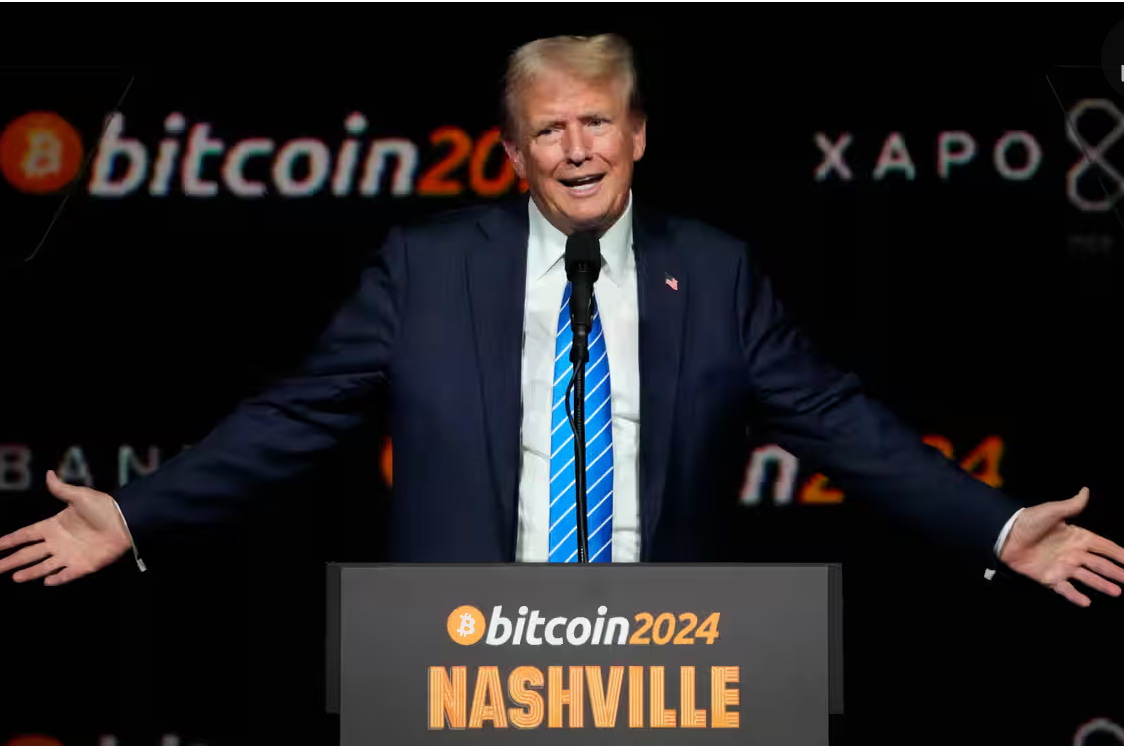
As a con artist who has engaged in multiple scams throughout his business career, Trump knows firsthand that the Democrats are mistaken in believing America still has an honest-to-goodness, hardworking meat-and-potatoes economy. We have an asset economy - wealth is generated by trading or collecting rents on assets both tangible (e.g. real estate, art, collectibles) or intangible (e.g. stocks, bonds, crypto). We have an attention economy - wealth is generated by tech, media, and entertainment companies by creating sensationalist content that maximizes likes, followers, viewers, clicks, eyeballs, subscribers, etc. In this economy, Americans now hope to get rich not by hard, honest work but by getting in early on the next hot meme coin or going viral and attracting millions of TikTok followers. The way to make it in this age of financial nihilism is to become the next Roaring Kitty or MrBeast, not to follow in your dad’s footsteps and put in a grinding 9-5 down at the plant. Trump speaking at the 2024 Bitcoin Conference or going on Logan Paul’s Impaulsize Podcast, shows he understands the current American financial psyche far better than Democrats who spend most of their time on shop floors and in union halls. With conventional jobs offering little hope of advancement, young American males raised on Reddit’s WallStreetBets and Robinhood crypto trading believed Trump was their best chance to get rich in a broken economy ridden with crippling inequality and precarity. Millennials and Gen Z are as likely to own crypto as they are real estate, and crypto adoption rates are almost twice as high in black, Hispanic, and Asian communities than in the white community. It would be foolish to overlook the role Trump’s promise of a crypto boom played in his ability to create a younger more multiracial coalition of voters willing not just to support him but motivated enough to go out and cast their vote in his favor.
Crypto aside, all Trump policies are served up to voters slathered in the promise of instant gratification. His tariffs are pitched to American manufacturers and their blue-collar workforces as providing an instant boost to business once Chinese imports are choked off - a promise especially near and dear to the heart of Trump’s highest-profile supporter, Elon Musk, who needs to protect the market share of his $40,000 entry-level Tesla Model 3 against BYD’s Seagull EV that sells for $9,700 in China. Trump hypes up his mass deportation plan as instant gratification for those suffering from the housing crisis, opening up millions of dwellings for American citizens to buy or rent at lower prices once migrants are forcibly removed. Like all instant gratification thinking, Trump’s policies emphasize short-term benefits over long-term costs. A devastating financial bubble might be created by money surging into stocks and crypto, especially if Trump resumes bullying Fed Chair Jerome Powell to push interest rates dangerously low. The steelworker excited by the $2,000 raise he received because of the tariffs might not be so happy when he sees his household expenditures rise $4,000 due to lack of international trade. If mass deportation does reduce housing prices those benefits will be quickly negated by the hundreds of billions of dollars it will take to drag people out of this country. But Trump bet correctly that in an age when attention spans are as short as the average TikTok video instant gratification beats long-term prudence every time.
Will Democrats learn from this loss and strategize how to counter Trump’s appeal to instant gratification? Doubtful. Most Democrats seem too busy indulging in their own form of self-defeating instant gratification by condemning and ostracizing the very swing voters whose help they will need to elect a Democrat to the White House in 2028. But for Democrats not interested in committing mass political suicide by cutting contact with everyone other than Harris voters, Trump’s instant gratification appeal should make them question the wisdom of their own party’s drift to the right in 2024. While I have little doubt the Republican rebrand as a working man’s party will be exposed as yet another Trump scam over the next four years, it is interesting to note how Trump’s instant gratification pitch borrows from traditionally left-wing political themes. In promising to end the inflation-spiking war between Russia and Ukraine, promising to provide more housing to American citizens through mass deportations, and promising to lower grocery prices by protecting American farmers, Trump’s rhetoric sounds like the Soviet Decree of “Peace, Land, and Bread” compared to the Democrats’ emphasis on bourgeois abstractions like freedom, rights, and democracy.
The best way for Democrats to shatter the MAGA myth of the GOP being a workers’ party is to promise the immediate gratification of needs more pressing than temporary paper gains in the voter’s crypto wallet, things like universal single-payer healthcare coverage, guaranteed family leave and guaranteed sick leave. Unfortunately with a short-list of 2028 presidential contenders including the likes of Gavin Newsom, Pete Buttigieg, and Josh Shapiro, the Democrats seem destined to continue their shift toward a corporate-friendly, center-right party deeply committed to social liberalism but completely non-committal when it comes to offering clear, immediate economic benefits to the average citizen. Bernie Sanders, whose 2016 Democratic Primary campaign almost reshaped the party by promising immediate gratification of Americans’ basic material needs summed up the situation perfectly, “It should come as no great surprise that a Democratic Party which has abandoned working class people would find that the working class has abandoned them.” From the results of the election, it seems much of the American working class has more trust in Dogecoin than the Democrats when it comes to their long-term financial security. If that doesn’t convince the Democratic elites to take the party in a new direction nothing will.